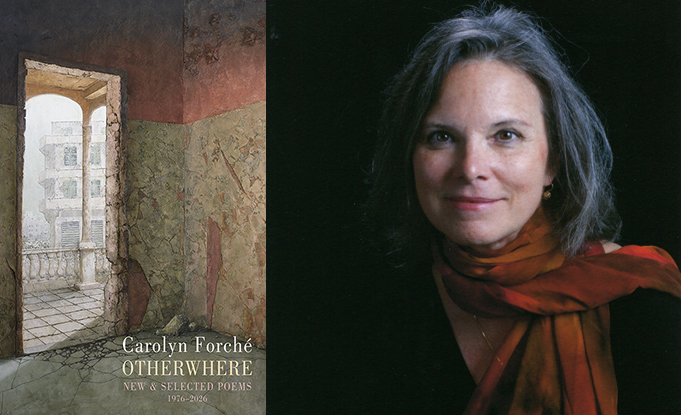
American poet Carolyn Forché is on tour in the UK this October, with readings in Hebden Bridge (11/10), Manchester (16/10) & Sheffield (17/10). Joint online launch 20...
It was told to me this way by one of those who went
searching for bodies in the morning. They came
upon a dead girl lying among older corpses, beside
more bodies, to whom they were led by the sound
of wings, the rising and falling of dark birds in the air
or to whom they were led by curious
children on their way to the bus—clusters of
school kids were always a true sign—and the girl,
this particular one, seemed to be with child,
and about to give birth as she slept among
the other corpses, undisturbed by the rats hurrying
in and out of her skirt and up her empty sleeve.
The arm was a little way from her, and her small
gray hand a little further yet. The world where
she was found hummed in the ears of the searchers,
and the eyes of the dead were already
flying through clouds in the bellies of birds.
*
How Her Husband Went
Not the war but the orchards,
not flight from aerial bombardment,
but lunches under linden trees with fig jam,
cheese, and oysters simmered in milk.
I still have the quilt made from swatches
of velvet where sleep the stars of winter.
I keep it in a box with the library scarf,
my tailor’s chalk, and straight pins stuck into a cushion.
In the quilt there is a square from the dress
made of silk the color of rain,
lace dipped in tea, a corset of whalebone.
It never ceases to amaze, what the rich throw away:
shoes still with soles, clothes no moths have eaten.
Today we had pickled herring for breakfast.
I wanted schnapps. They wouldn’t give me that
so all day I pretended to be far away.
When my husband’s heart stopped he was
chopping wood for winter.
He fell into the snow and the snow
was still falling into his eyes when I found him.
*
Last Room
There is much in this drawer that is no longer in use:
a notebook with ribbon to mark passages
once of some importance, a tortoiseshell comb sadly
made of tortoise shell, a prayerbook bound
in mother-of-pearl. Mother-of-pearl.
Everything at once, she said. All that you
remember must be written down.
Bed linens sailing the wind.
Lilacs soon to lie on the ground.
There was a quickening in the heart whenever I saw him
standing in a field of bloom and hum then suddenly not there.
The field gone. The house. The road now under a newer road.
Trees along it long cut down. No canopy of hope.
And the swamp? Who knows what became of it.
Skunk cabbage, cattails and buttercups,
pollywogs and crayfish with their pulse-train song.
We caught them in jars of pond water.
Not for eating, no. To watch them live.
If you wash your clothes one last time and put them away
it will be like wrapping snow in tissue paper.
*
If there is ink
If there is ink for this hour if there is
something to say to write that would
send the tanks the convoys and transports
into reverse on the roads they have rutted
send them back to the borders they crossed
send them back, and the hours too that have passed
send those hours with them, and the enemy
soldiers dragging their own crematorium
and the corpses of fellow soldiers they have left
behind and their own wounded send them back if there is ink
if there is something to write that would raise the cities
from the ruins the apartment blocks hospitals schools
that would put the cities back as they were
I would give everything to fill this pen with it
Contents List
11 Preface: Old Than Glass, Younger Than Music
If there is ink: new poems
19 On Being Watched from Above
21 Missing
22 Hypothetical Museum
23 Written in pencil / left out of the manuscript
24 What We Don’t Know
25 In the beginning
26 Wind
27 Texting with the tents
28 The Hurry Birds
29 Translation
30 How Her Husband Went
31 Last Room
32 Night Shift in the Home for Convalescents
33 Written in pencil / anamnesis
34 A History of Invention
35 Other World
36 Written in pencil / report from a state of emergency
37 On Living in the Hour of Cities Under Siege
38 Lviv
39 The Bridge Before Dark
40 If there is ink
41 In Lieu of Flowers
from Gathering the Tribes (1976)
45 Burning the Tomato Worms
51 Song Coming Toward Us
52 Goodmorning and the White Girl
54 Mientras Dure Vida, Sobra el Tiempo
57 Plain Song
58 Taking Off My Clothes
59 White Wings They Never Grow Weary
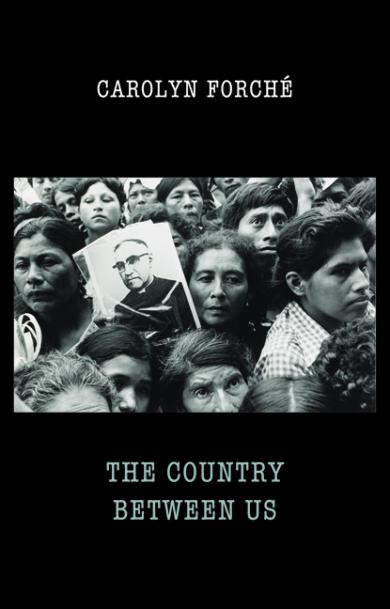
from The Country Between Us (1982)
63 San Onofre, California
64 The Island
67 The Visitor
68 The Colonel
69 Return
73 Because One Is Always Forgotten
74 Endurance
76 Departure
77 Photograph of My Room
80 On Returning to Detroit
82 As Children Together
85 Selective Service
86 For the Stranger
88 Reunion
90 City Walk-up, Winter, 1969
92 Poem for Maya
93 Ourselves or Nothing
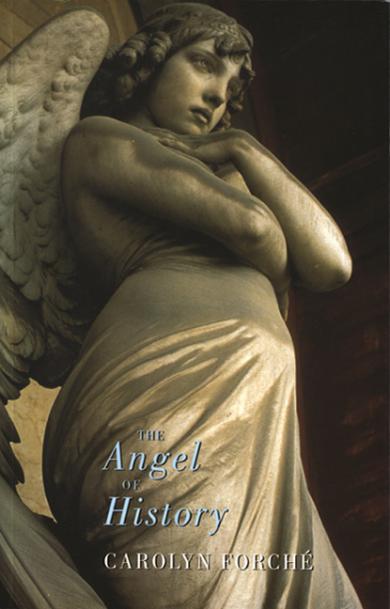
from The Angel of History (1994)
101 The Angel of History
120 The Notebook of Uprising
134 Elegy
135 The Garden Shukkei-en
137 The Testimony of Light
138 Book Codes I, II, III
from Blue Hour (2003)
143 Sequestered Writing
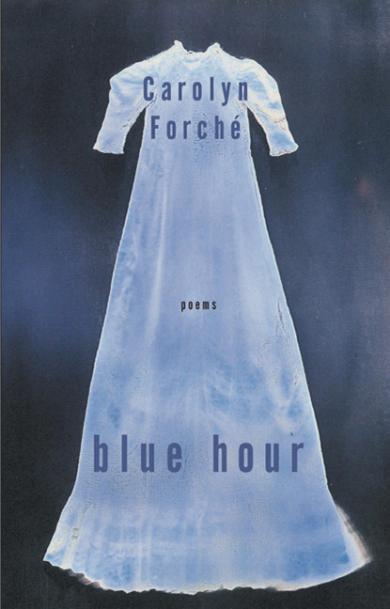
144 Blue Hour
150 Curfew
151 Hive
152 Refuge
153 Prayer
155 On Earth
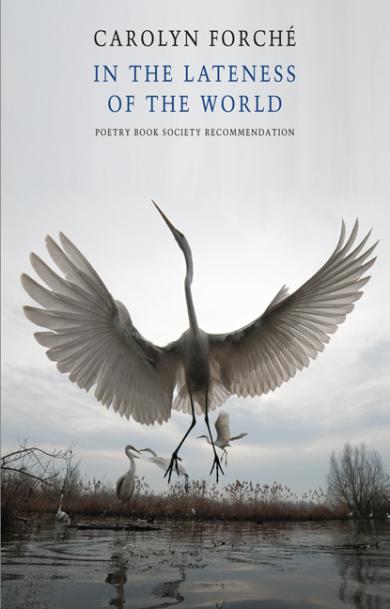
from In the Lateness of the World (2020)
197 Museum of Stones
198 The Boatman
199 The Last Puppet
200 The Lightkeeper
201 The Crossing
202 Exile
203 The Lost Suitcase
205 Letter to a City Under Siege
206 The Refuge of Art
208 A Room
210 The Ghost of Heaven
213 Ashes to Guazapa
214 Morning on the Island
215 A Bridge
216 Tapestry
217 Visitation
218 In Time of War
219 Souffrance
220 Light of Sleep
221 Mourning
223 Toward the End
224 What Comes